Creating Timeless Interiors: A Guide to Lasting Design
The most memorable interiors share a quality that extends beyond current trends—they improve with age, gathering character and depth over time. Creating lasting spaces requires careful attention to both practical function and refined aesthetics. Let’s dive into the principles that distinguish lasting design from temporary appeal, focusing on elements that create homes of timeless beauty.
Understanding Space and Purpose
A room’s longevity begins with how it serves its inhabitants. Before considering aesthetics or decorative elements, successful design requires an understanding of how spaces will function over time. Even the most beautiful room will not succeed if it does not seamlessly support daily life. Daily patterns drive the success of any space. Natural pathways through rooms, the play of light throughout the day, and the flow between spaces influence how comfortable and functional a home feels.
When planning a room, consider how morning sunlight affects breakfast areas, how afternoon shadow patterns might impact workspaces, and how evening light creates an atmosphere for entertaining.
Sound dynamics play an equally important role in spatial planning. A well-designed room considers how sound travels, creating quiet zones where needed and allowing conversation to flow naturally in gathering spaces.
This might mean placing a reading nook away from high-traffic areas or ensuring dining spaces have the right acoustic properties for comfortable discussion.
Materials That Age with Grace
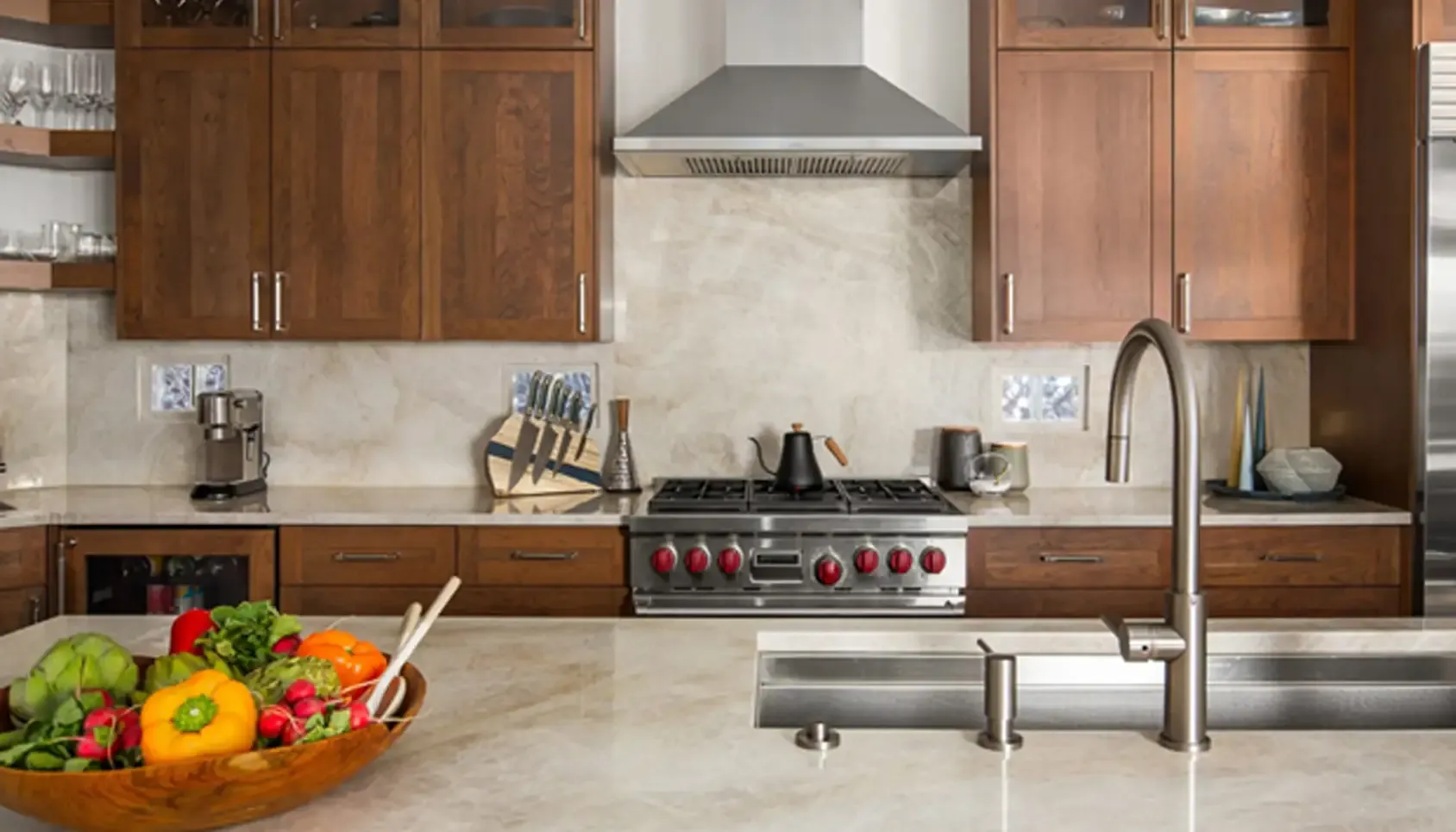
The foundation of lasting design lies in selecting materials that develop character over time. While trend-focused designs often rely on materials that look best when new, timeless spaces incorporate elements that improve with use. Natural stone develops subtle wear patterns that reflect its history, while quality hardwoods gain deeper color and richer grain patterns over decades.
Marble is a prime example of material evolution. High-quality marble, properly selected and maintained, reveals increasingly complex patterns through years of use.
Similarly, bronze hardware and fixtures develop distinct patinas unique to their environment and use. This natural aging process creates depth and interest that mass-produced materials can’t replicate. The key lies in choosing materials that weather gracefully, gaining character without losing function.
Quality in Construction
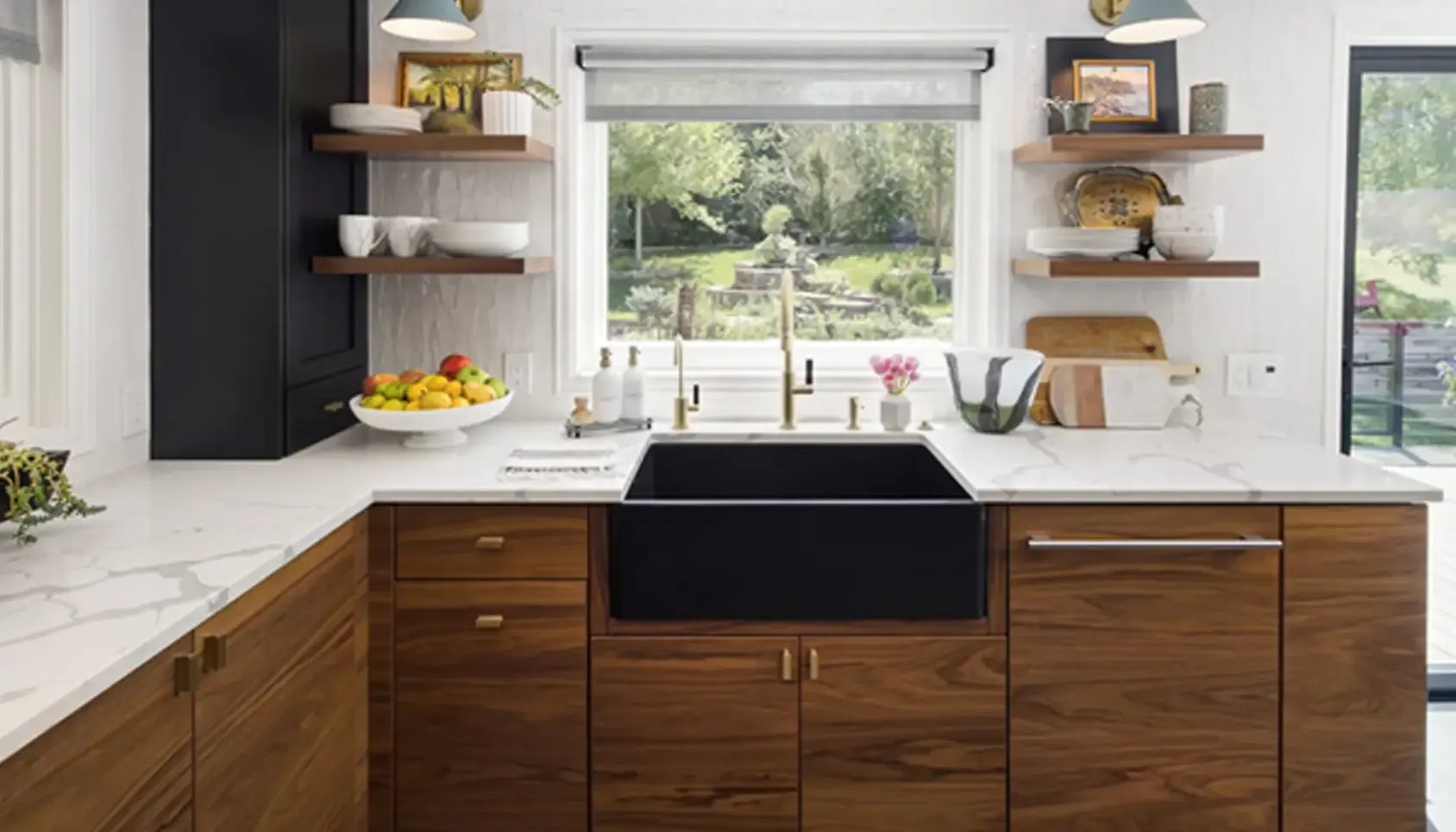
Excellence in construction fundamentally shapes how spaces age. Traditional joinery techniques in cabinetry ensure furniture remains stable and true over decades. Hand-finished metalwork offers depth and character that machine-finished pieces cannot match. When properly selected and installed with attention to pattern continuity, natural stone creates surfaces that tell a cohesive visual story.
Textile selection balances immediate appeal with long-term performance. Natural fibers like wool and silk, when chosen in appropriate weights and weaves, maintain their beauty while adapting to use.
Space and Proportion
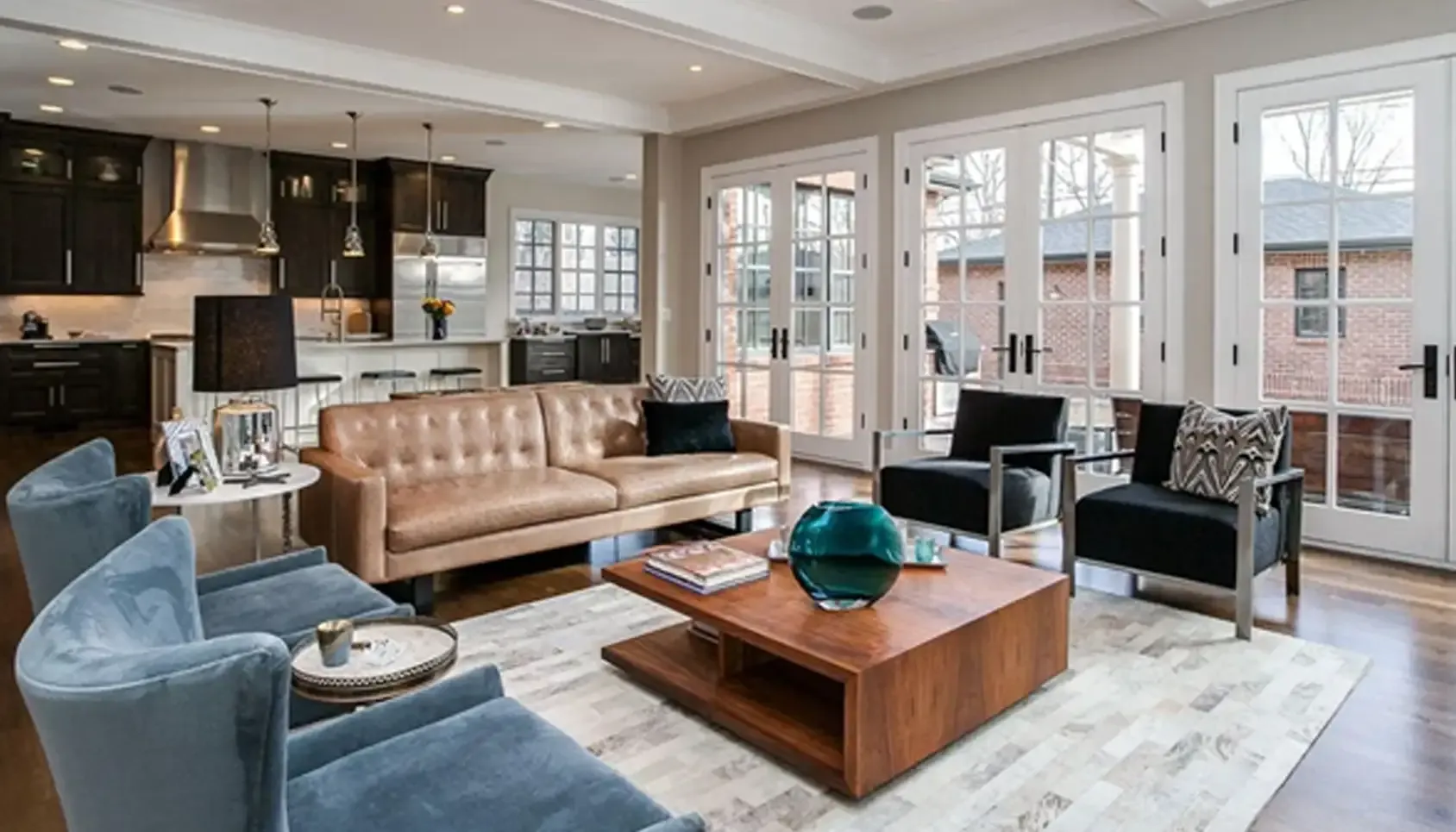
Creating balanced spaces requires attention to both classical principles and modern needs. Good proportion guides everything from furniture placement to architectural details, ensuring spaces feel right.
Balance Through Scale
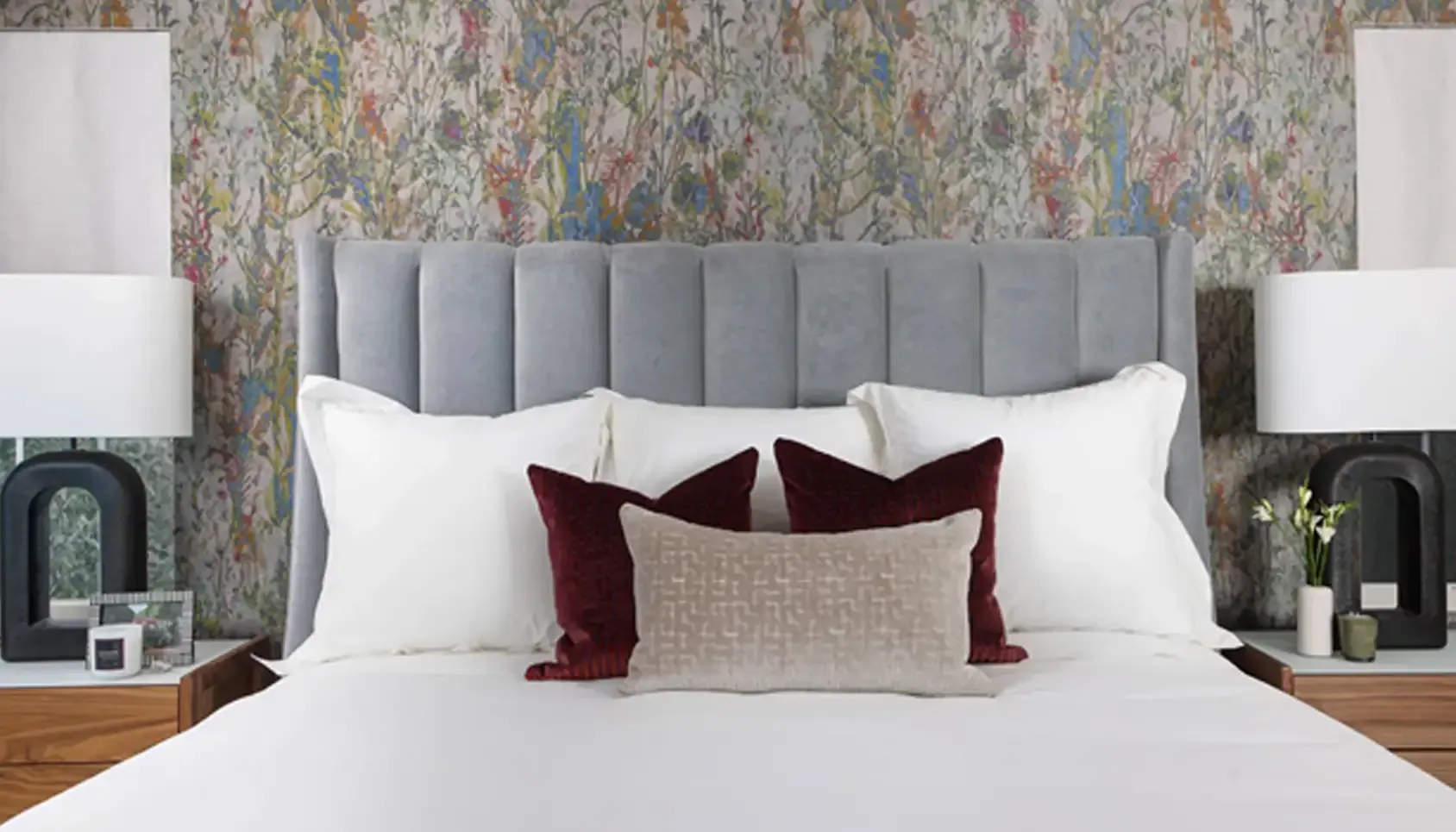
Room proportions form the foundation of comfortable spaces. Furniture must relate properly to room dimensions, neither overwhelming nor disappearing. Windows should frame views while maintaining wall proportions that feel balanced. Doorways and passages need to flow naturally between spaces, creating rhythm in movement through the home.
Built-in elements require particular attention to scale. Bookshelves, cabinets, and other permanent features must complement room volume while serving their practical purpose. Their proportions affect not just their own appearance but the feel of the entire space.
The Value of Open Space
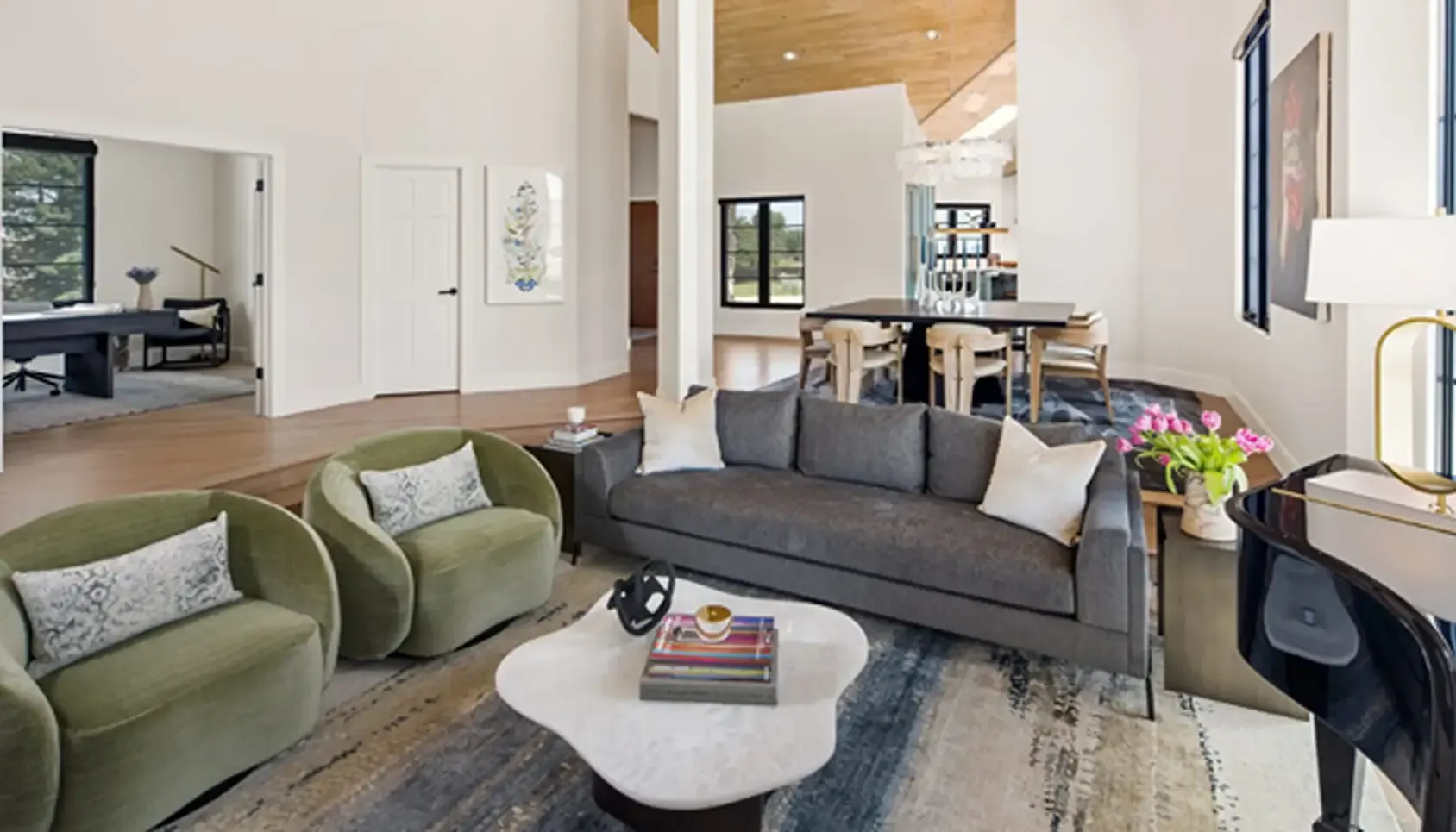
Thoughtful design often means leaving space empty—a principle that becomes more valuable in our increasingly cluttered world. Well-placed furniture and objects need room to be appreciated fully. This doesn’t mean spaces should feel sparse; each element should have space to contribute to the whole.
Empty space serves practical functions beyond aesthetics. It creates natural pathways through rooms, allows flexibility in furniture arrangement, and provides visual rest points that make spaces feel calmer and more organized. Even small rooms benefit from open areas, often feeling larger and more functional.
Architectural Elements
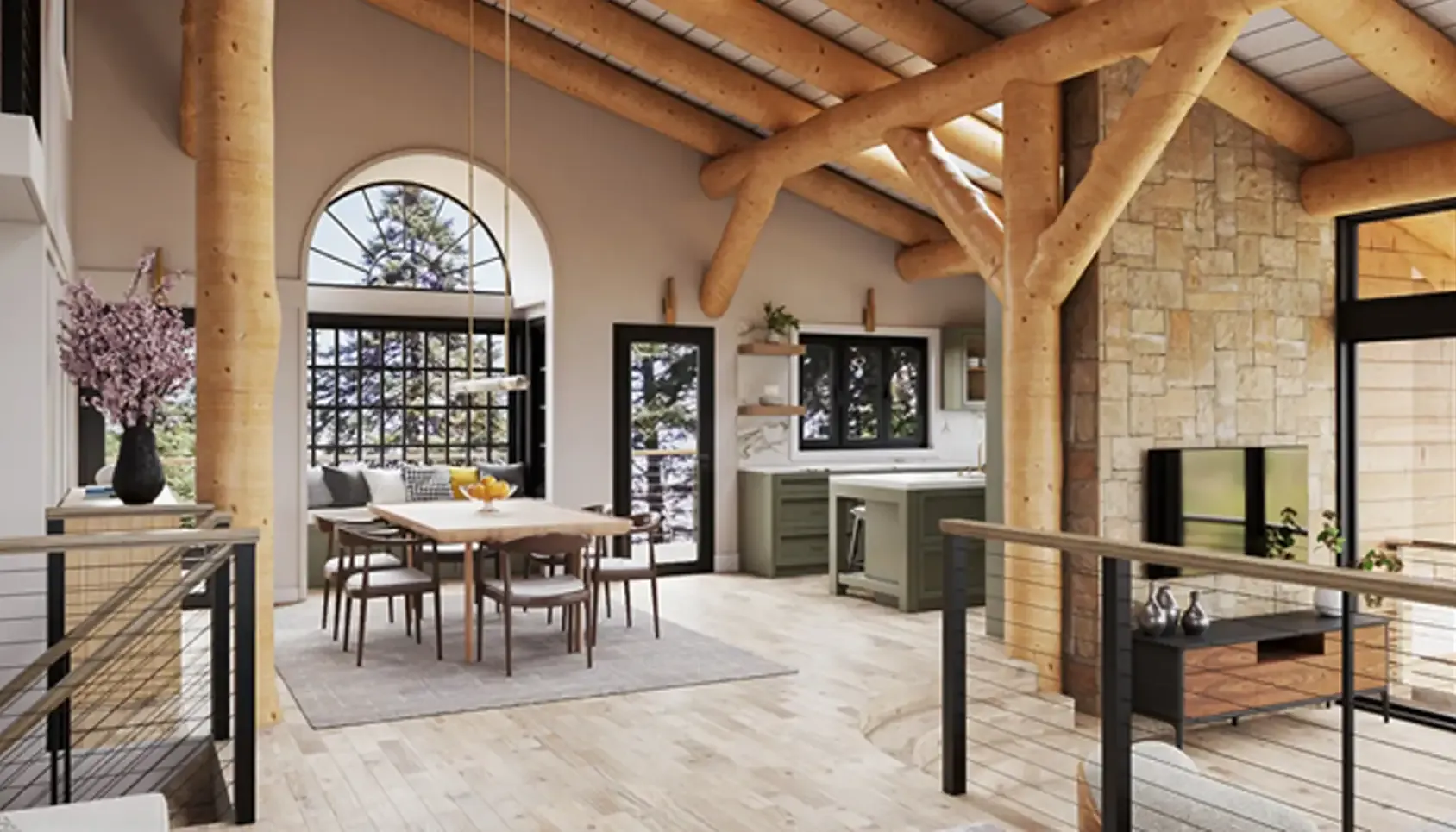
Architecture forms the bones of any interior. While decoration can be easily changed, architectural elements define a space’s fundamental character. Quality architectural details age well, providing lasting value that justifies their initial cost.
Essential Details
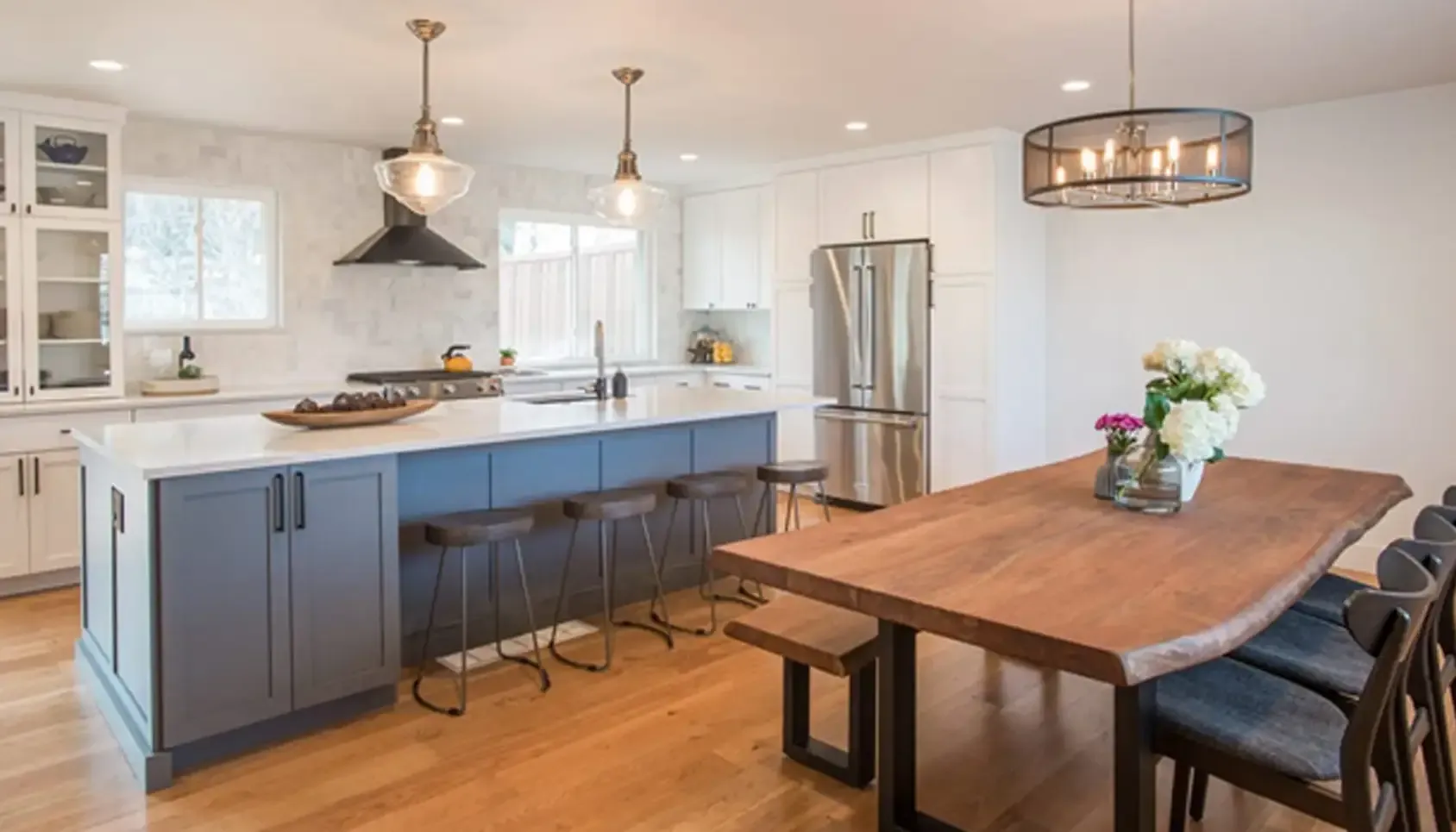
Millwork should be proportioned carefully to ceiling height and room scale. Simple, clean profiles often serve better than ornate designs, which can date quickly. Moldings frame spaces effectively when sized appropriately—too small appears insignificant, while too large overwhelms.
Built-in elements maximize function while maintaining design integrity. Window seats, storage solutions, and display areas integrated into the architecture serve practical needs while contributing to the overall design. These elements work best when they appear original to the space rather than added as afterthoughts.
Light as an Architectural Element
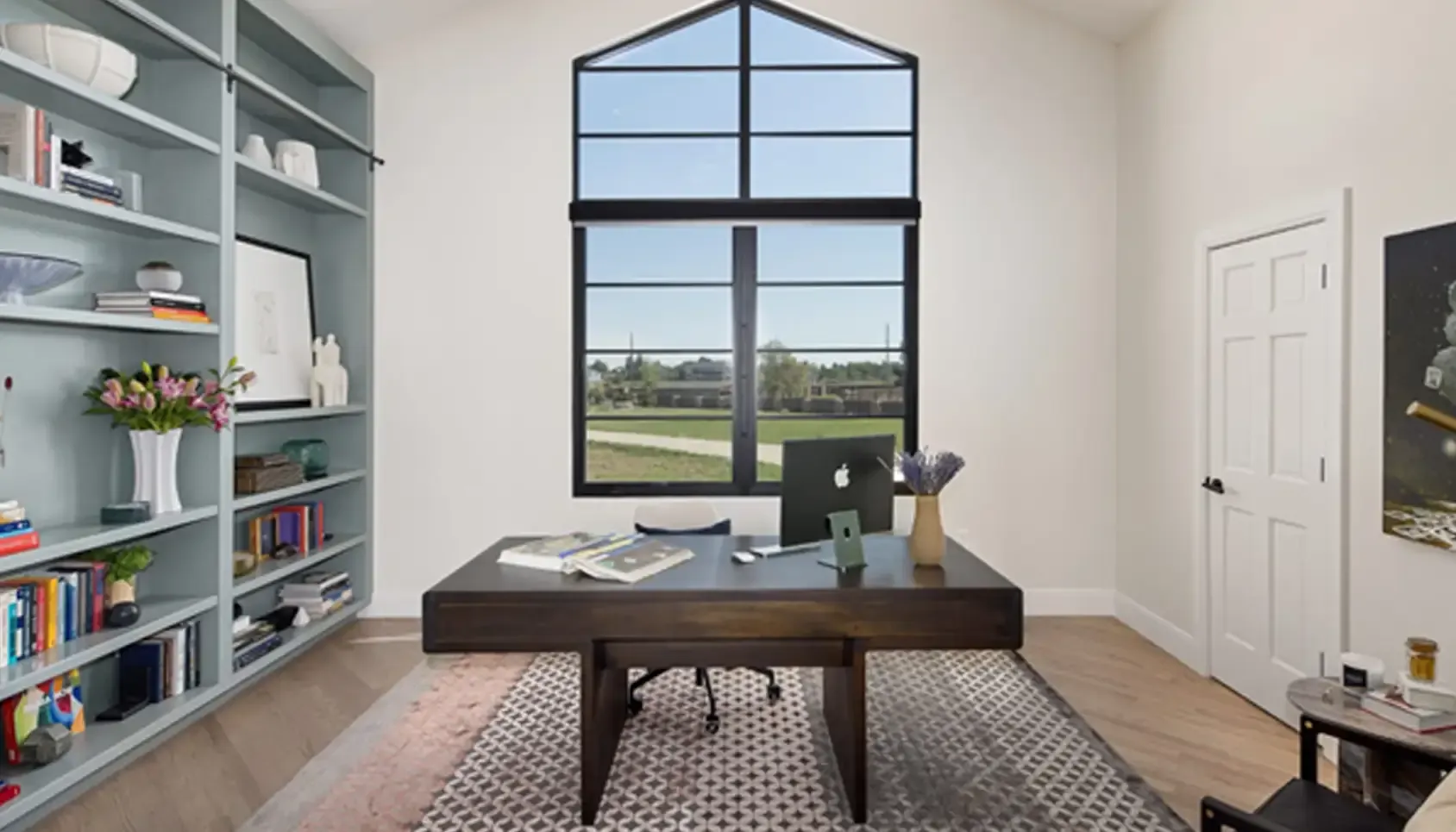
Natural light fundamentally shapes how we experience spaces. Window placement and size affect not just illumination but also privacy, views, and the room’s connection to its surroundings. The best designs balance these factors while considering how light changes throughout the day and seasons.
Artificial lighting requires equal care in planning. A layered approach combining ambient, task, and accent lighting provides flexibility for different uses. Light fixtures themselves should complement room design without competing for attention. Their placement must highlight architectural features and materials while serving practical needs.
Adaptable Spaces
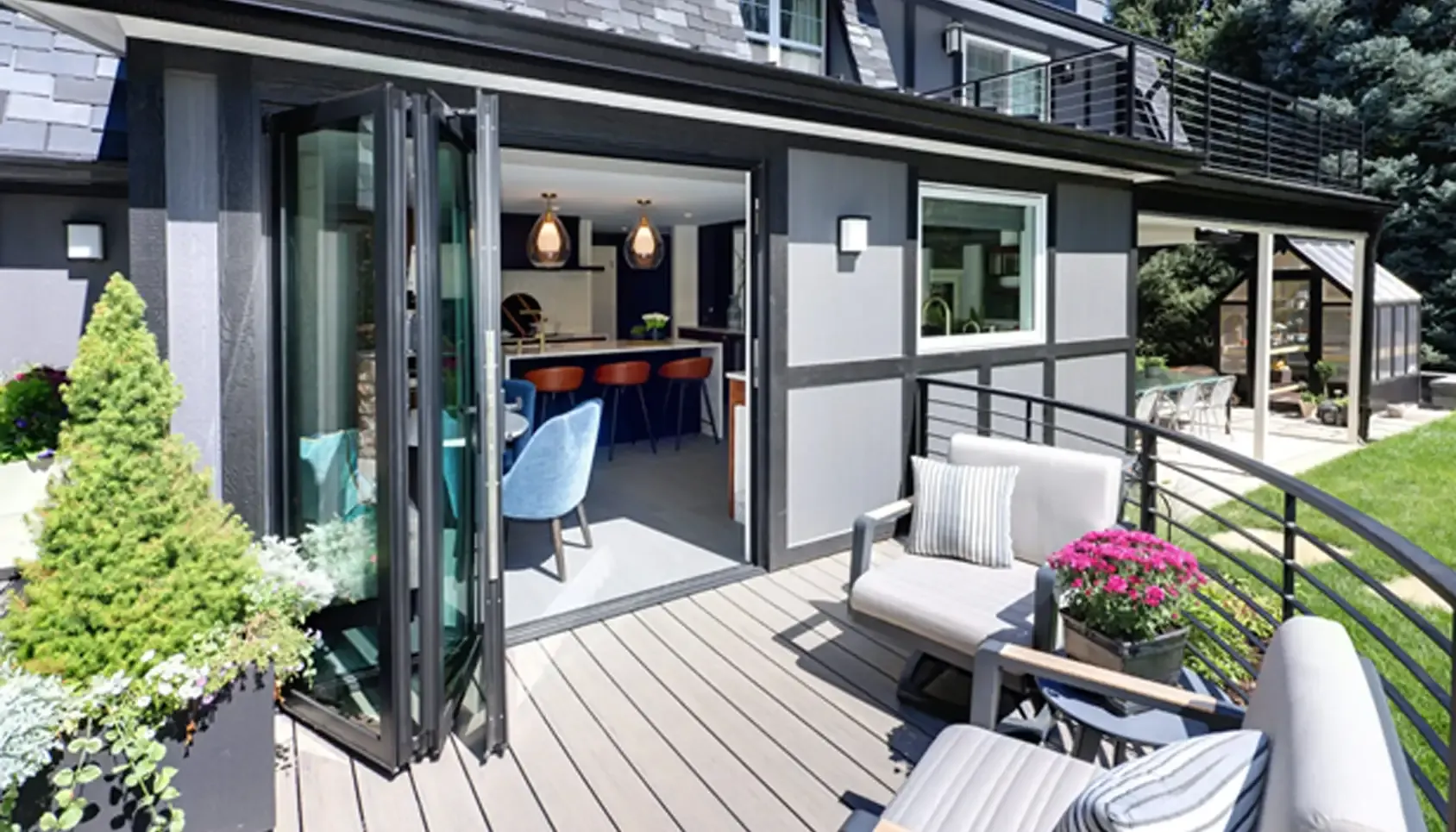
Modern life demands flexibility from our spaces. Rooms often serve multiple purposes, but these transitions should feel natural rather than forced. A dining room might host work sessions between meals, while a living room could transform for media viewing without losing its primary identity as a gathering space.
Careful planning is key to creating adaptable spaces. Furniture placement, lighting options, and storage solutions all contribute to smooth room function. The goal is to maintain design integrity while accommodating changing needs.
The Value of Timeless Design
Creating lasting interiors involves more than selecting durable materials—it requires understanding how spaces mature and develop character. The most successful rooms become more appealing over time, developing a natural patina that enhances their original design.
Well-designed spaces offer both practical function and lasting beauty.
They adapt to changing needs while maintaining their fundamental character, proving that thoughtful design creates value that grows over time. In a world increasingly focused on the immediate and temporary, such lasting quality becomes more precious.