How Art in Interior Design Can Elevate Your Living Space
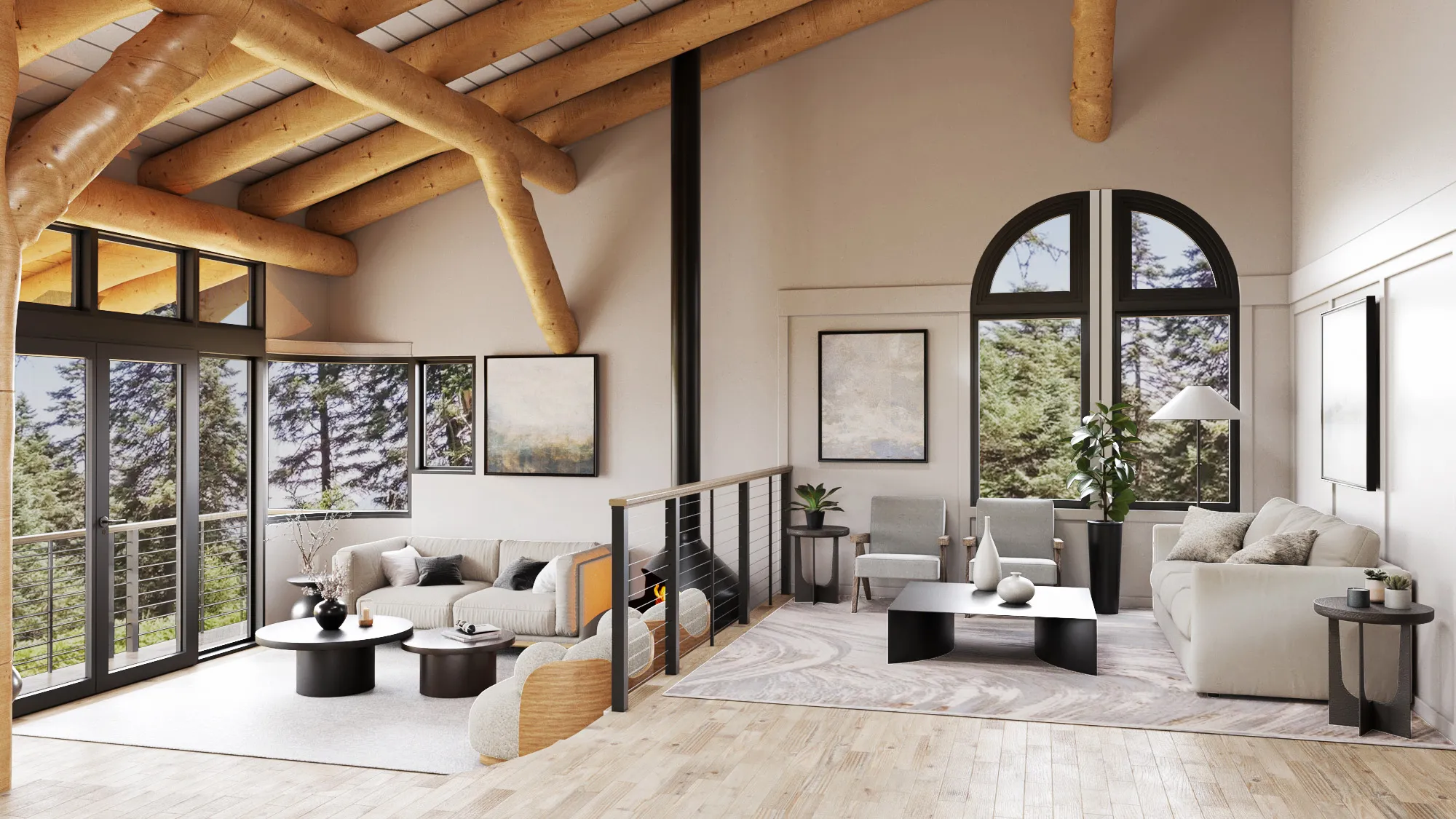
Art has the unique ability to elevate spaces, turning the ordinary into the extraordinary. Beyond aesthetics, it brings depth, character, and a sense of individuality to every room. Thoughtfully chosen art weaves personality into interiors, influencing the ambiance and shaping a space’s feeling.
Art offers more than just visual appeal for designers—it becomes a tool to solve design challenges and create harmony. Curated with intention, it reflects the spirit of those who inhabit the space, making rooms beautiful, deeply meaningful, and personal. Art transforms interiors into environments that tell stories, where every piece feels like it belongs.
Art as a Reflection of Personal Style
Showcasing individuality
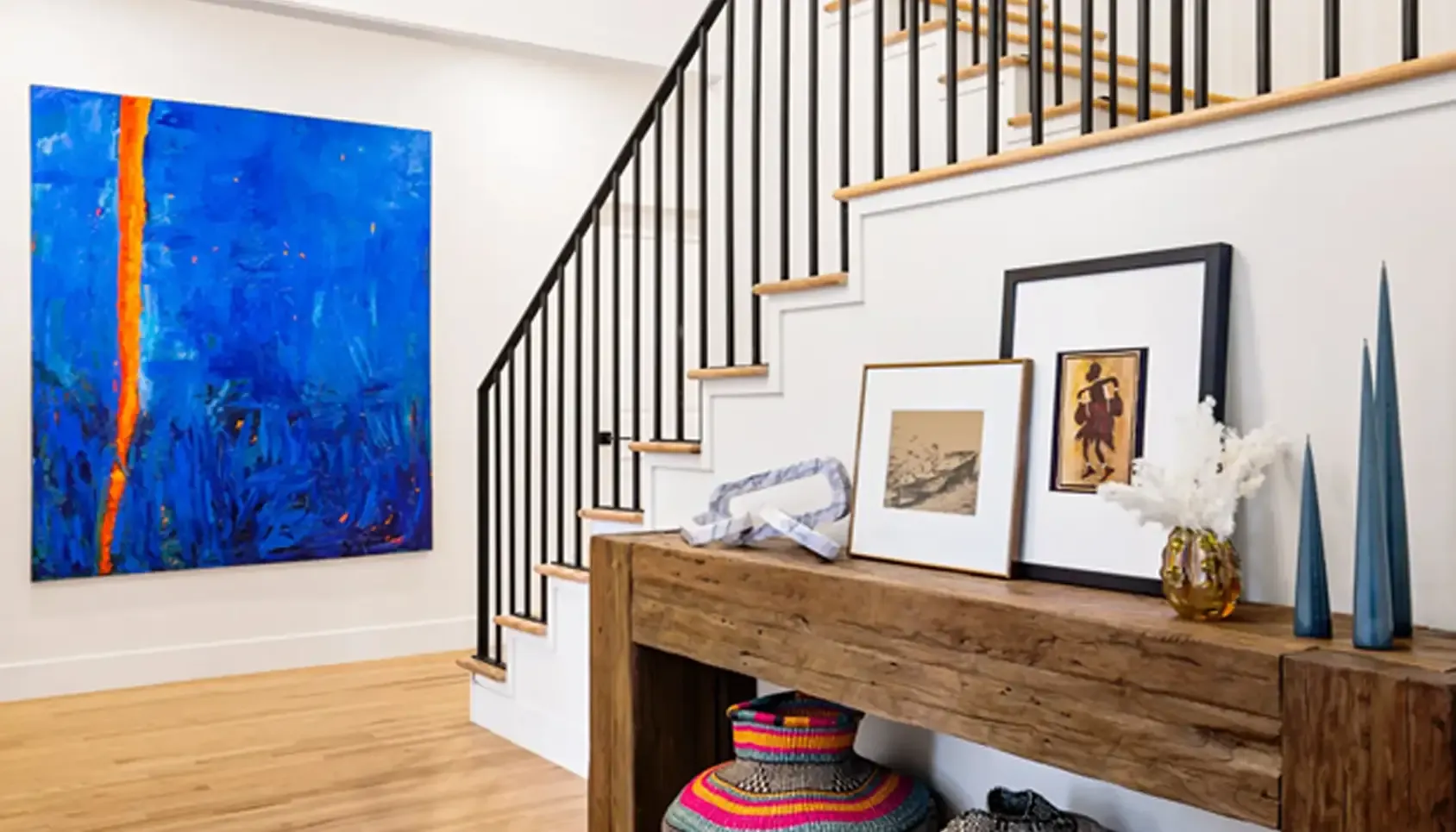
Art in interior design goes beyond decoration—it becomes a medium for self-expression, infusing spaces with personality and meaning. It transforms houses into living reflections of the values, experiences, and stories of those who live within. Every thoughtfully chosen piece shapes the ambiance and evokes emotion, creating more than just visual interest. By curating artwork that resonates with personal journeys and dreams, individuals craft interiors that authentically mirror their identity, making every space feel intentional and uniquely their own.
Telling your story through art
Art carries the power to tell personal stories without words. Each piece offers a window into an emotion, a moment, or the artist’s worldview. Thoughtfully integrated into a space, these artworks reflect one’s journey. A painting that captures the vibrancy of a Moroccan market might reignite cherished travel memories, while a sculpture may symbolize inner growth and resilience. These emotional touchpoints create a more than beautiful home—a sanctuary where every piece resonates with personal meaning, turning everyday surroundings into a mosaic of life’s most treasured moments.
Creating a unique living environment
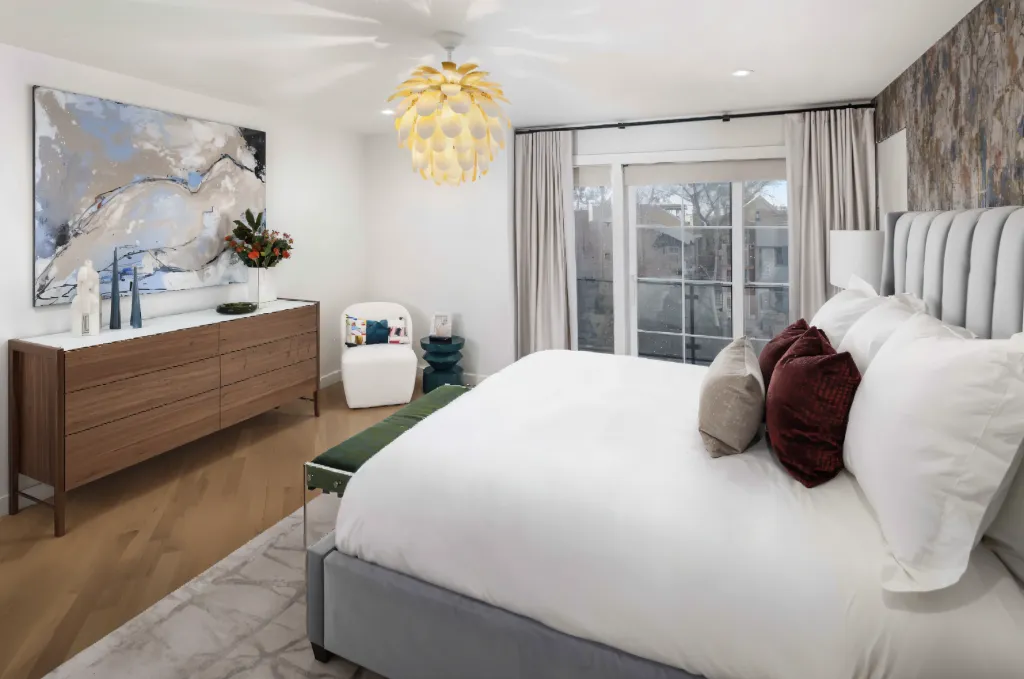
Integrating art into home esthetics should be a delicate balance between existing style and personal narratives. It’s about creating conversations between spaces and pieces, where each artwork adds depth and intrigue. In a minimalist space, a bold abstract painting can breathe life into the room, making a statement that echoes the inhabitants. Conversely, a classic sculpture could show an appreciation for history amidst contemporary elements in an eclectic setting. This thoughtful curation transforms ordinary rooms into extraordinary spaces that tell a unique story.
The Role of Art in Enhancing Room Esthetics
Adding color and texture
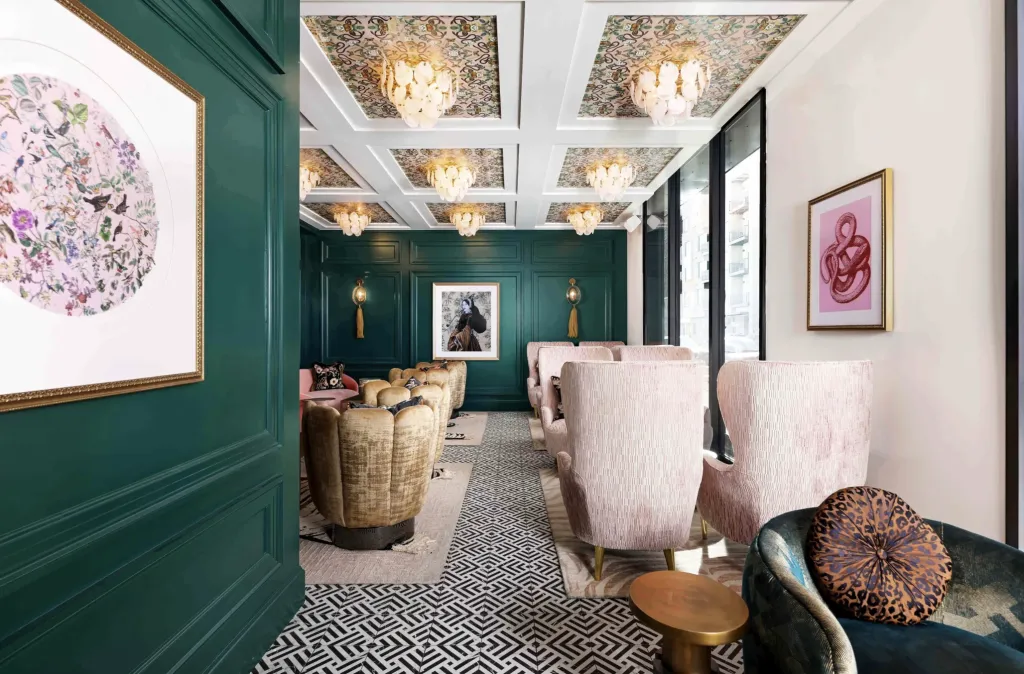
Art in interior design has a significant influence on room esthetics by introducing color and texture. It breathes life into living spaces, transforming them from ordinary to extraordinary. The strategic use of artwork can inject vibrancy and depth into a room, creating a visually appealing environment. By selecting pieces that complement or contrast with the existing color scheme, designers can tie the room together beautifully or make a bold statement. Textured art, in particular, adds a tactile dimension to the space, inviting a sensory experience that goes beyond visual appeal.
Creating visual interest
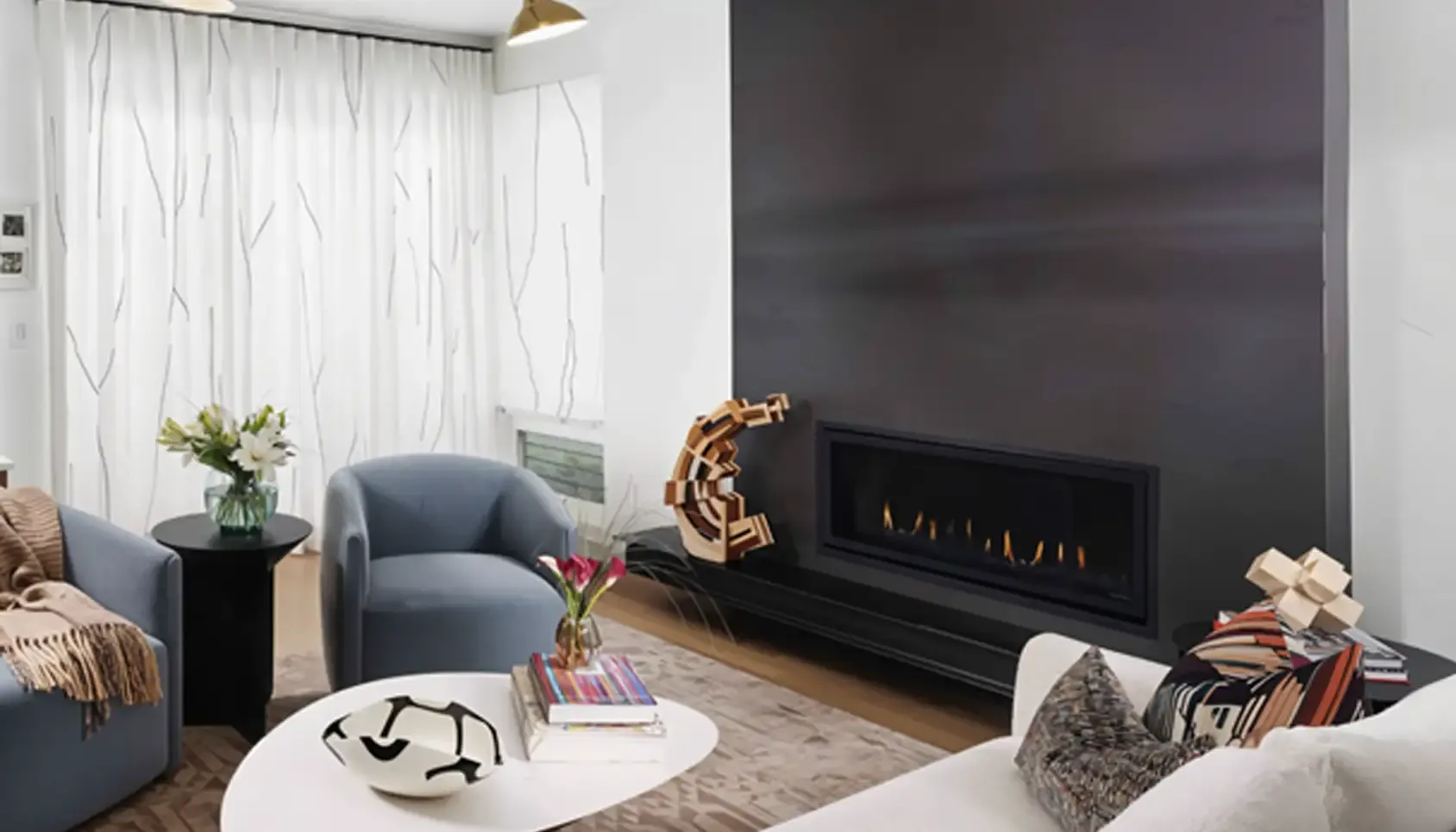
Artwork is a visual anchor in interior design, naturally drawing the eye and grounding the space. It sets the tone for the entire room, establishing a narrative that unfolds through color, form, and texture. By thoughtfully combining diverse mediums—paintings, photographs, sculptures, and mixed media—designers introduce depth and dimension, enriching the room with layers of interest. This interplay of styles creates a dynamic environment that evolves with every glance. Art enhances the aesthetic and highlights architectural elements when strategically placed, subtly guiding attention to features like intricate moldings or striking structural details.
Unifying design elements
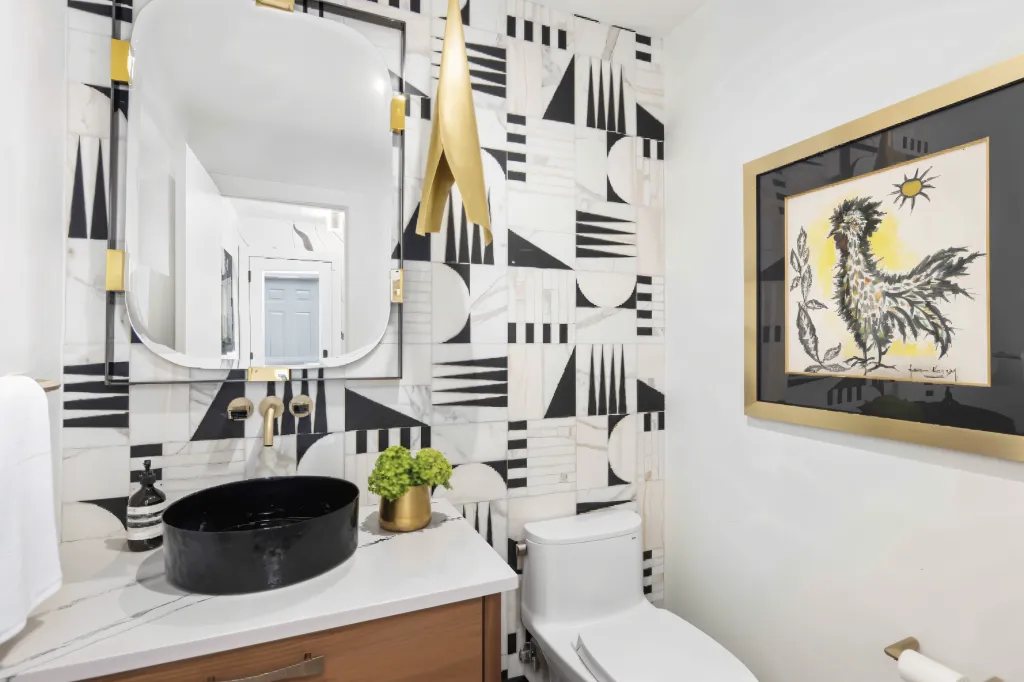
Art plays a crucial role in unifying various design elements within a room. It can help create balance and harmony by tying together different aspects of the decor. Designers can achieve a cohesive look by choosing artwork that resonates with the room’s style, theme, and color palette. The art’s colors, textures, and forms can complement or contrast existing furnishings, creating a harmonious and well-designed space. This thoughtful integration of art with other design elements results in a curated look that exudes sophistication and individuality, elevating the overall ambiance.
Using Art to Solve Interior Design Challenges
Shaping Focus and Elevating Space
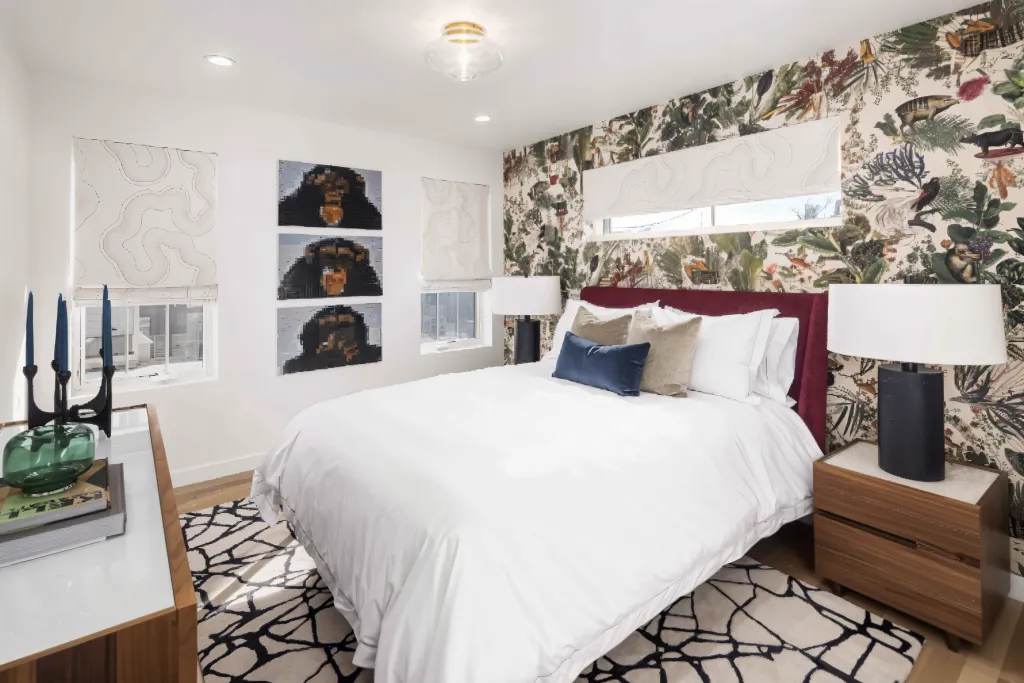
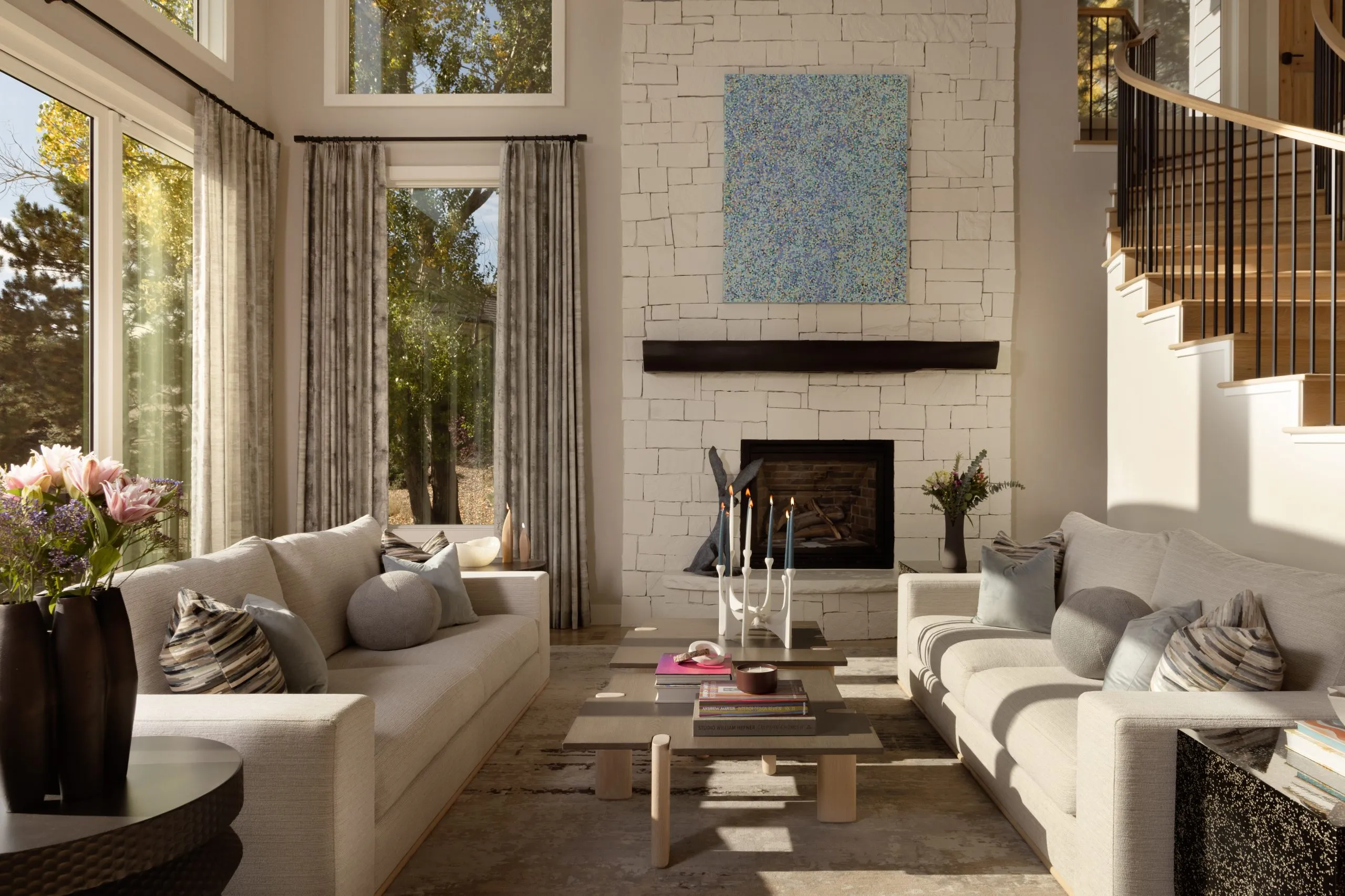
Art in interior design offers a refined way to guide the eye and shape a space’s experience. Thoughtfully placed pieces can emphasize the room’s strengths, directing attention to areas of interest and creating a harmonious flow. A striking artwork, for example, can naturally draw focus to a seating area or frame an architectural feature, enhancing the room’s overall narrative. Beyond aesthetics, this curated approach adds layers of meaning and depth, inviting homeowners and guests to engage with the space more personally.
Making small spaces appear larger
Artwork can create the illusion of space, making it invaluable in smaller rooms. By selecting pieces with depth and perspective, such as landscapes or cityscapes, designers can give the impression of extended space beyond the walls. Light-colored artwork can also help brighten a room, making it more open and airy. Vertical art pieces can also draw the eye upward, creating a sense of height and openness in compact spaces.
Using Furniture As Art
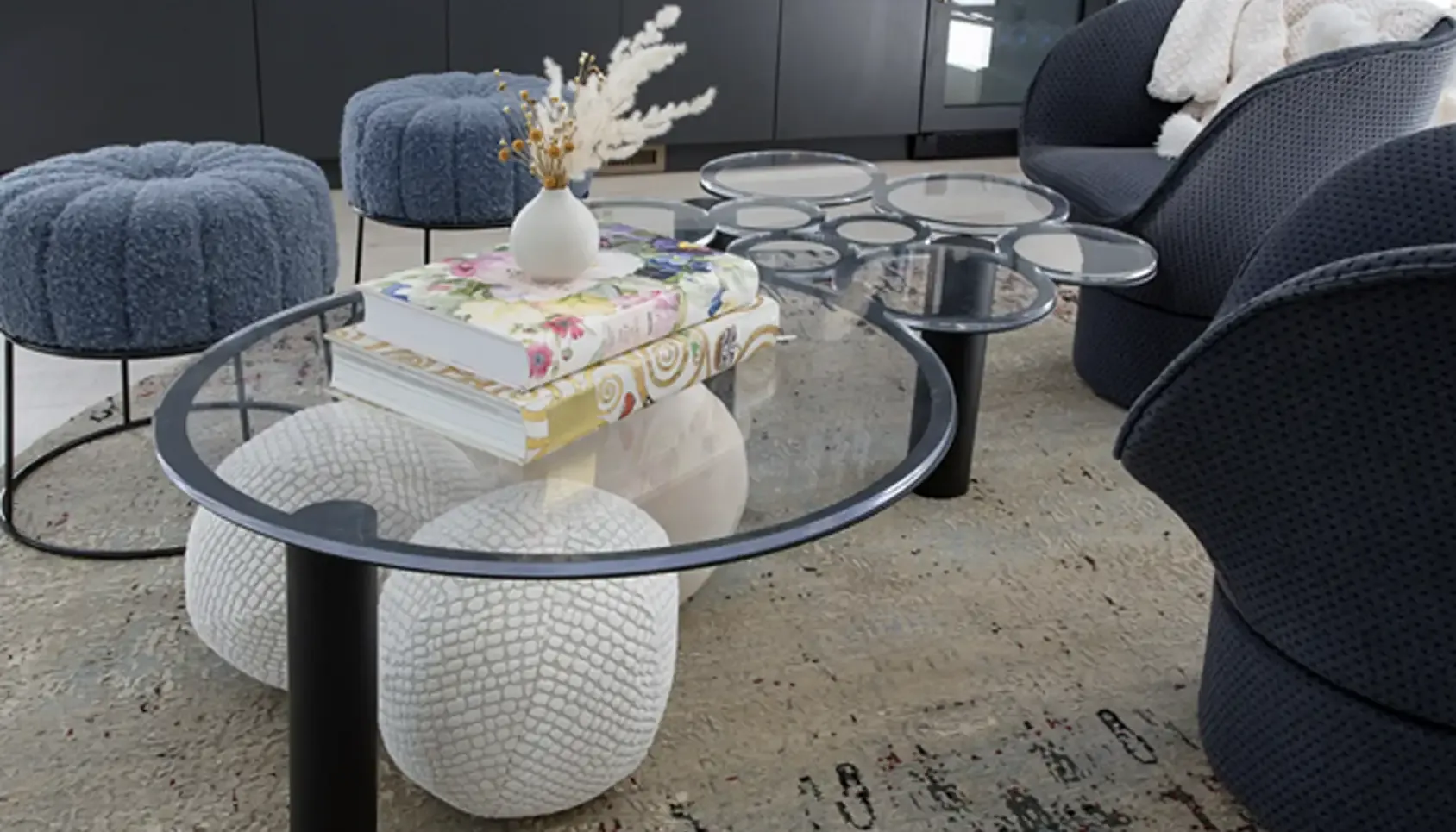
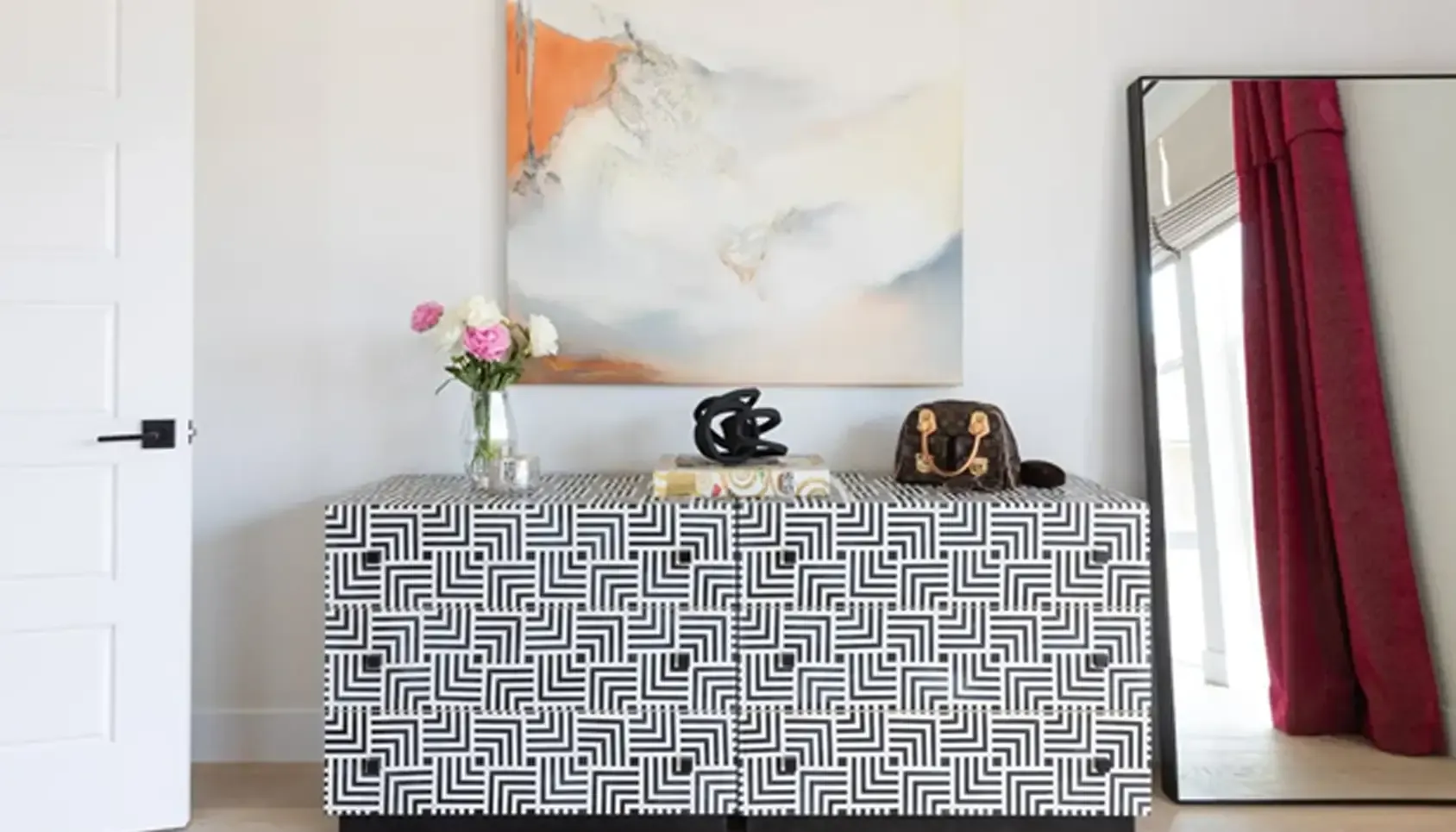
Furniture can transcend functionality, becoming sculptural elements that shape the identity of a room. In spaces with asymmetrical layouts, these pieces take on the role of art, adding visual weight and anchoring the design. This approach frees designers to explore unconventional arrangements, moving beyond symmetry and matching pairs. When treated as art, furniture introduces rhythm and balance, effortlessly tying together architecture and decor. With each piece thoughtfully positioned, the space becomes harmonious—a curated composition where design and functionality coexist seamlessly.
Investing in Art: Value Beyond Esthetics
Building a meaningful collection
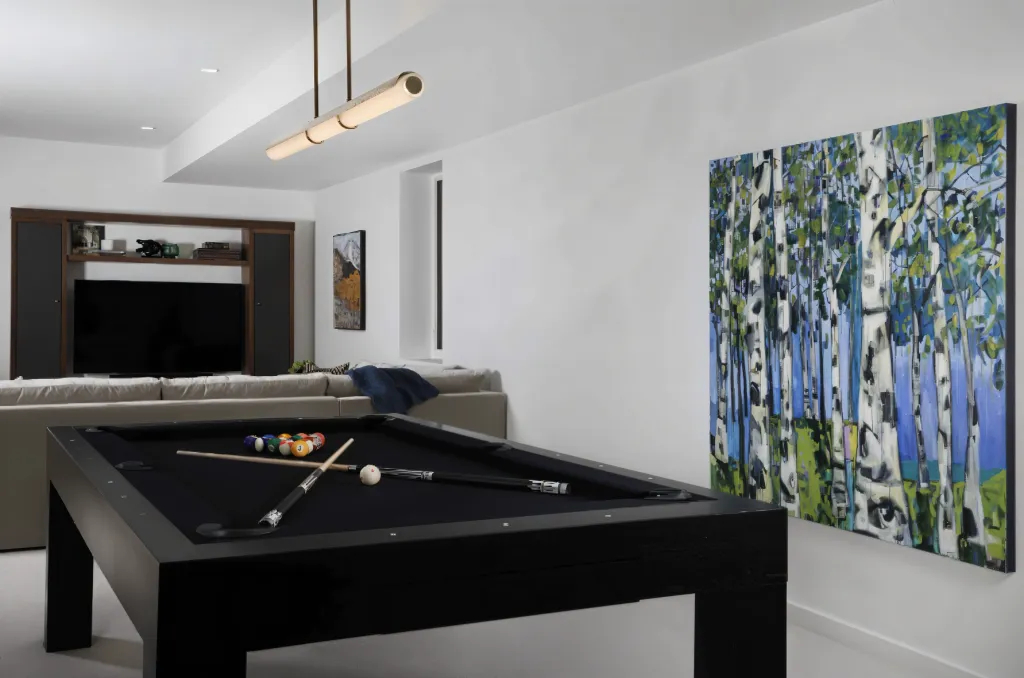
Investing in art offers benefits that extend beyond financial gains. Unlike stocks or bonds, art is a tangible asset that provides esthetic pleasure and emotional connection. To build a meaningful collection, individuals should start by identifying their preferences and determining which style or era of art design objects they are most drawn to. This focus helps guide the collection’s direction. It is essential to research and educate oneself about different artists, designers, and trends in the art world to make informed decisions when adding pieces to the collection. Visiting galleries and attending exhibitions can help discover new pieces and gain inspiration.
Potential for appreciation
Art has historically proven to be a stable and resilient investment, often unaffected by market fluctuations. Art can act as a safe haven for investors in times of economic uncertainty, preserving and increasing its value.
Conclusion
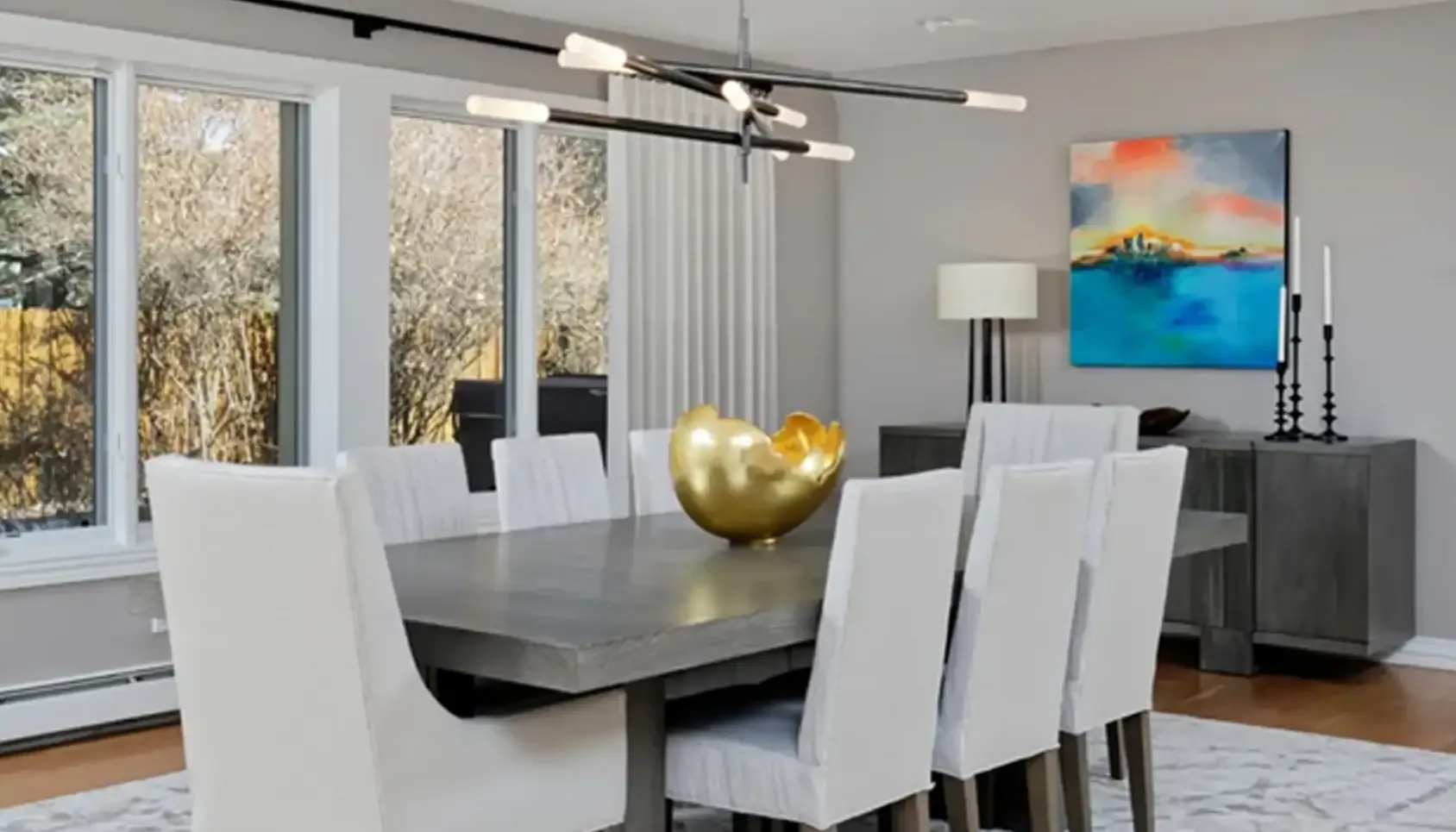
Integrating art into interior design profoundly influences transforming living spaces into captivating, personalized environments. By carefully selecting and placing artwork, homeowners can showcase their individuality, solve design challenges, and create visually stunning rooms that tell unique stories. Art enhances esthetics and adds value beyond visual appeal, offering opportunities to build meaningful collections and support local artists.
Ultimately, art in interior design is more than just decoration; it’s a powerful tool for creating spaces that resonate with personal style and evoke emotion. Contact our studio to book a consultation to explore how art can elevate your living space. By embracing the transformative power of art, you can turn your house into a home that truly reflects who you are.
FAQs
How does incorporating art enhance interior design?
Incorporating art into interior design brings a home’s character and personality to life. By utilizing colors, textures, and patterns, interior designers can create various moods and styles that reflect the homeowner’s tastes, making the living space more engaging and personalized.
What is the significance of artistic ability in interior design?
Artistic ability is crucial in interior design. It enables designers to envision and experiment with different design alternatives, plans, and esthetics. This creative capability is essential for generating unique and beautiful spaces that are both functional and inspiring.
In what ways do art and design influence each other?
Art challenges and expands the boundaries of design by encouraging designers to think innovatively and try unconventional approaches. It inspires, providing fresh perspectives and innovative ideas that enhance the overall design field.
Why is creativity essential in interior design?
Creativity is fundamental to interior design because it allows designers to tailor solutions that perfectly meet their clients’ needs. It also facilitates innovative problem-solving approaches that transform ordinary spaces into remarkable ones.
Is interior design considered an art form?
Interior design is often regarded as an art form because it involves the creative arrangement of space, color, texture, and furnishings to create esthetically pleasing and functional environments. This discipline utilizes artistic principles such as balance, contrast, harmony, and proportion to evoke emotions and reflect cultural values, much like traditional art forms. Additionally, interior designers must creatively solve spatial and functional challenges while maintaining artistic integrity, cementing interior design status as an art.